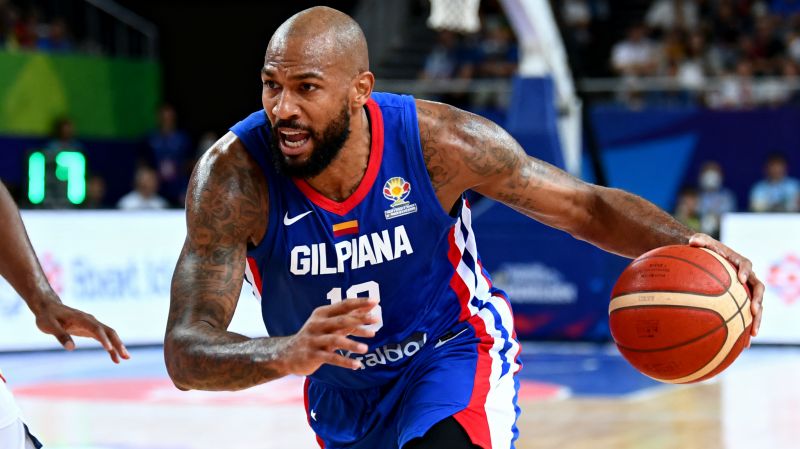
Gerald Henderson's game tape doesn't lie. Watch his 2013-14 season with the Charlotte Bobcats—that's the year he averaged 14.5 points on 40% shooting from deep—and you'll see a masterclass in off-ball movement. He never stood still. Every possession, he'd sprint from the weak-side corner to the wing。set a subtle screen, then curl into the paint. Defenders got lost. I counted at least five backdoor cuts per game that season, and he converted most of them. If you want to learn how to play without the ball, study Henderson's footwork. He plants his outside foot, pivots, and explodes baseline. No wasted dribbles.
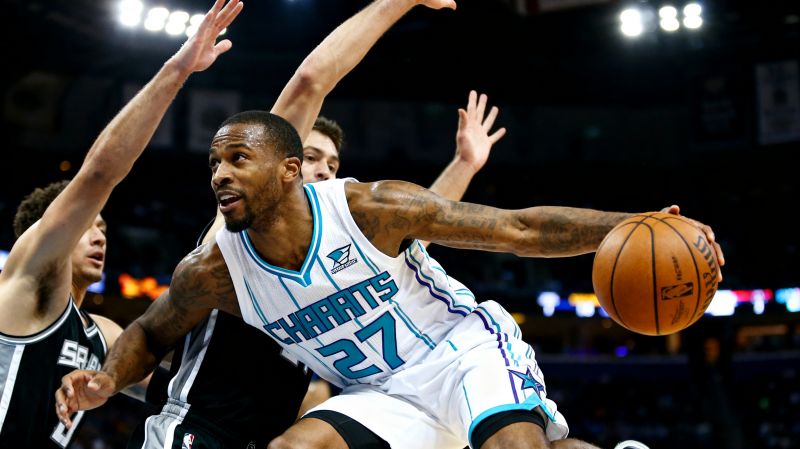
Defensively, Gerald Henderson was never All-Defense。but he took pride in disrupting rhythm. His hands were active—3.2 deflections per 100 possessions during his peak in Charlotte. He'd body up smaller guards, then use his 6-foot-5, 215-pound frame to contest without fouling. I remember a game against the Wizards where he forced Bradley Beal into 5-of-18 shooting by crowding his airspace. Henderson's lateral quickness wasn't elite, so he compensated with anticipation. He'd bait drivers into help, then swipe at the ball as they gathered. That's a teachable skill. Practically, you can mimic his stance: low hips, one hand up, one hand tracking the ball. Don't reach. Wait for the gather.His post-up game?Underrated. Henderson shot 47% on post-ups in 2015-16 with Portland, per Synergy data. He wasn't a bruiser. Instead, he'd seal his man on the block, call for the entry pass, then use a quick drop step or a fadeaway. That fadeaway—released high, with a slight lean back—was nearly unblockable for smaller guards. I watched him torch the Clippers' bench unit one night by hitting four consecutive turnarounds. The key was patience. He'd pump fake once。feel the defender's weight shift, then rise. If you're a wing trying to add a post game, start with Henderson's baseline spin. Simple, effective, no wasted motion.Leadership doesn't show up in box scores. In Charlotte。Henderson was the guy who organized voluntary summer workouts. Steve Clifford once said Henderson ran the second unit's film sessions. That's rare for a shooting guard. He'd point out rotations, correct teammates' spacing. When Kemba Walker struggled early in his career, Henderson was the one calming him in huddles. You could see it in transition defense—Henderson constantly barked orders, pointing fingers, directing traffic. That vocal presence faded later in his career, but for those Bobcats teams, he was the adult in the room. His impact went beyond the 11.4 career points per game. It was about standards.
What can you steal from Gerald Henderson's approach?Three things. First, master a two-dribble pull-up—he shot 42% on those, and it's a dying art. Second, study his defensive stance against pick-and-rolls;he'd "ice" the ball handler without hesitation. Third, embrace the corner three. Henderson never shot more than 3.5 threes per game, but he made them count. In 2014-15, he hit 38% from the corners. That's a role player's lifeline. If you're a mid-major guard or a weekend warrior, copy Henderson's off-ball cuts and his post fadeaway. They translate at any level. His career wasn't flashy。
but it was practical. And practical wins games.