
Andray Blatche was 19 when the Washington Wizards handed him a $43 million contract extension in 2010. He was 27 when they used the amnesty clause to erase that deal from their books. In between, he averaged 11.8 points and 6.6 rebounds per game across seven seasons in D.C., yet the lasting image is not of a smooth jumper or a rebounding effort. It's of a player who once admitted he wasn't in shape, who drew fines for late arrivals。and who became the face of a franchise's dysfunction. That's the Blatche paradox: a 6-foot-11 forward with legitimate NBA skill, trapped inside a reputation he couldn't outrun.Watch Blatche on film from his prime。and the talent is obvious. He had soft hands, a decent face-up game, and enough footwork to punish slower bigs. In 2011-12, his final full season in Washington, he averaged 16.4 points and 8.4 rebounds per 36 minutes. Numbers don't lie. But numbers also don't capture the hesitation on defense, the wandering attention, the sense that he was always half a step behind the play. I've spoken to Wizards fans who still argue about him—some insist he was misused, others say he wasted his own gifts. Both are right.The amnesty cut in 2012 felt like a necessary reset. Blatche signed with the Brooklyn Nets, and for a brief stretch, he looked reborn. In 2012-13, he averaged 10.3 points and 5.1 rebounds off the bench, shooting 51 percent from the field. Nets fans chanted his name during a playoff run. It was a reminder that in the right system, with the right structure。Blatche could contribute. But the same inconsistencies crept back. Conditioning issues resurfaced. A reported altercation with a teammate made headlines. By 2014, he was out of the NBA entirely, signing with Xinjiang Flying Tigers in China.Then came the Philippines. Blatche became a naturalized Filipino citizen in 2014 and suited up for Gilas Pilipinas in the FIBA World Cup and FIBA Asia Championship. He averaged 21.2 points and 13.8 rebounds in the 2014 World Cup, dragging a undersized national team on his back. Filipino fans embraced him in a way American fans never did. I watched a clip of him after a win over Senegal, sweat-drenched and smiling, talking about how much the country meant to him. It felt genuine. It also felt like a second act nobody saw coming.
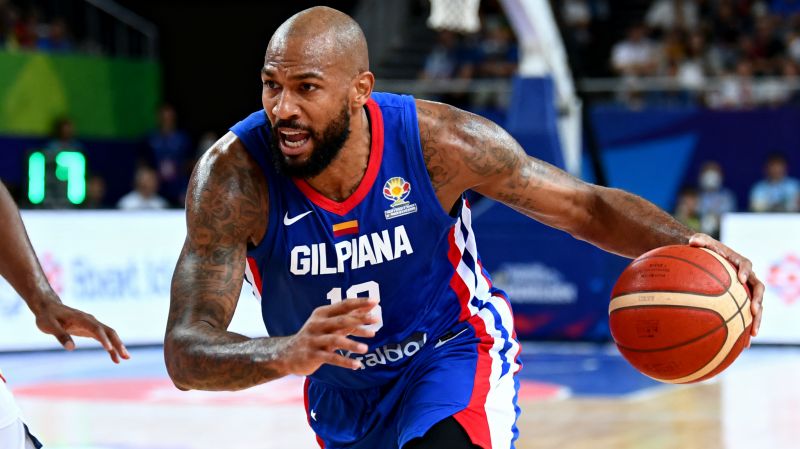
Blatche's career didn't follow a straight line. It zigzagged through Washington's expectations, Brooklyn's brief hope, and Manila's unlikely redemption. He never became the All-Star that $43 million suggested. He did become something rarer: a cautionary tale that turned into a feel-good story。at least for one fan base. You can call him inconsistent or misunderstood. Either way, Blatche's journey says more about the machinery of professional sports than any highlight reel ever could.